
The Art of Pan-Seared Foie Gras: A Culinary Masterpiece
Discover the luxurious world of Pan-Seared Foie Gras. Learn the art of preparation, traditional serving methods, and the balance of rich flavors and textures.
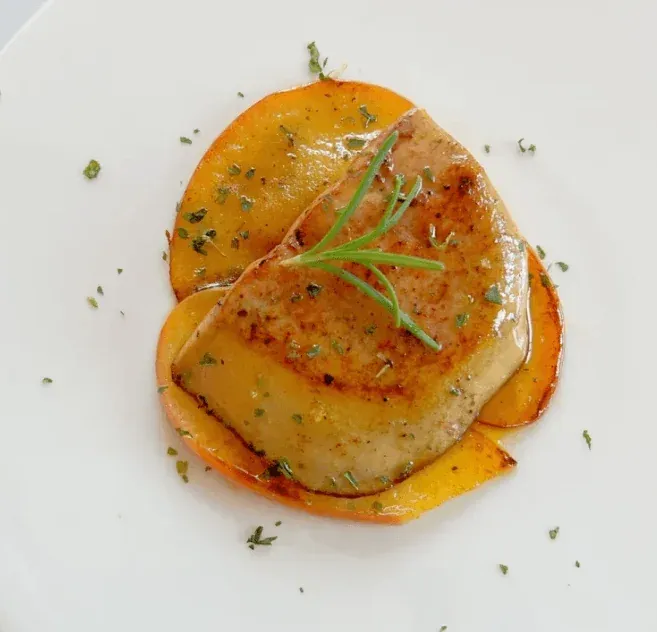
Pan-Seared Foie Gras stands as a symbol of culinary opulence, a testament to the art of fine dining. Originating from French gastronomy, this exquisite dish involves the liver of a specially fattened duck or goose, transformed into thick, luscious slices and seared to perfection. The process creates a delightful contrast: a crispy, caramelized exterior with an interior so tender it dissolves on the palate like a savory dream. Traditionally savored as an appetizer, this delicacy is often accompanied by tart or sweet elements—like fig preserves or a drizzle of balsamic glaze—to complement its luxurious richness.
📋Ingredients
- 200g Fresh Foie Gras (Premium duck or goose liver)
- 2 slices Rich Brioche bread
- 1 teaspoon Sea salt (such as Fleur de sel)
- 1/2 teaspoon Coarsely ground black pepper
- 2 tablespoons Aged Balsamic reduction or Port sauce
- 2 Fresh figs or a small handful of raspberries for garnish
- A few sprigs of Microgreens for decoration
🔪Cooking Method
Step 1: Preparing the Foie Gras
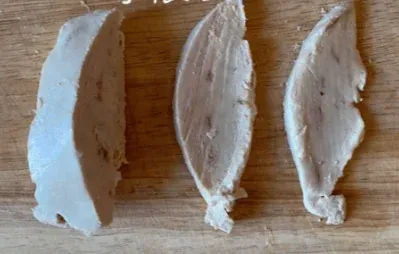
- Begin by ensuring the foie gras is chilled thoroughly. Slice it into medallions about 2–3 cm thick. Using a sharp knife, gently score a cross-hatch pattern on the surfaces. This technique aids in the rendering of fat and enhances texture.
Step 2: Chilling Again
- Return the scored medallions to the refrigerator for 10–15 minutes. This step is crucial to prevent the foie gras from melting away during the searing process.
Step 3: Searing the Foie Gras
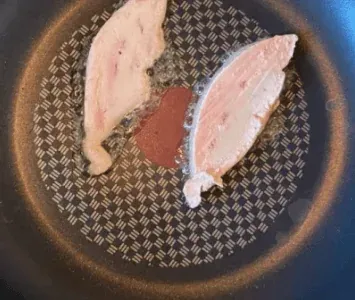
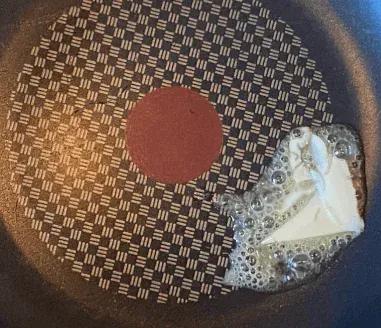
- Heat a heavy-bottomed skillet until it reaches a high temperature. Avoid adding oil or butter; the foie gras is naturally rich in fat. Once the pan starts to smoke lightly, place the cold medallions in. Sear each side for 45–60 seconds to develop a rich brown crust.
Step 4: Flipping and Seasoning
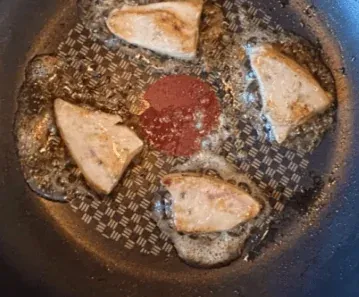
- Carefully flip the medallions using a spatula. Sear the opposite side for another 30–45 seconds. The center should be soft to the touch. Sprinkle with sea salt and black pepper while still on the heat.
Step 5: Toasting the Brioche
- Remove the foie gras and let it rest briefly. Use the residual fat in the skillet to toast the brioche slices until they are golden and crisp.
Step 6: Final Presentation
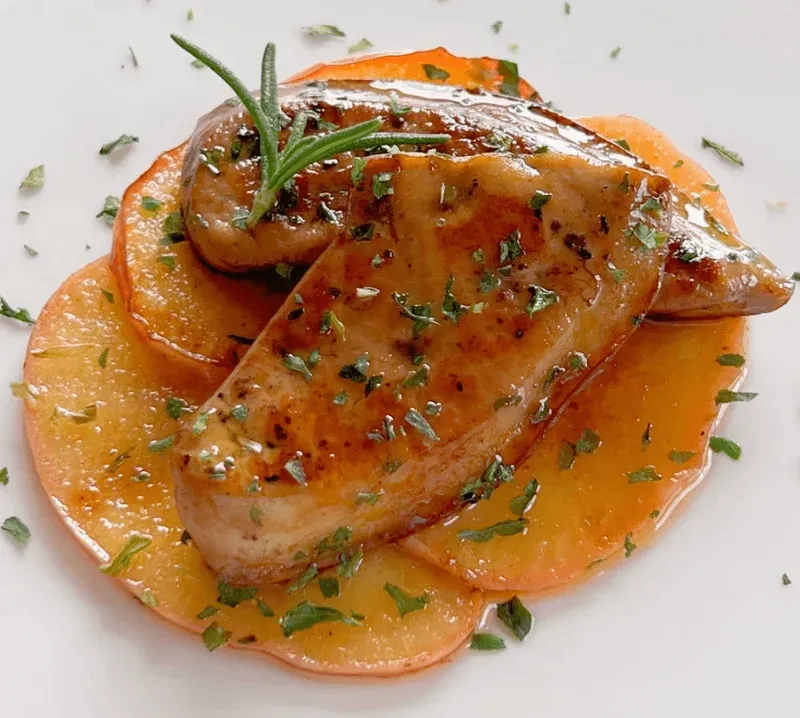
- Arrange the toasted brioche on a serving plate. Top with the seared foie gras medallions and drizzle with balsamic reduction. Garnish with fruits and microgreens. Serve promptly to enjoy the interplay of textures and temperatures.
Important Tips & Tricks
- Temperature Precision: The foie gras must be extremely cold before it is seared, and the skillet must be very hot to achieve the ideal crust.
- Preserve the Fat: The rendered fat is a culinary treasure. Store it in the refrigerator for future use in enhancing the flavor of roasted vegetables or potatoes.
- Avoid Overcrowding: Cook a few medallions at a time to maintain the skillet’s heat, preventing the liver from cooking improperly.
- Acidity Balance: Foie gras is inherently rich, requiring an acidic counterpart. If balsamic is unavailable, consider using a citrus squeeze or berry sauce to balance the dish.
🧪Nutritional Information (Per Serving)
- Calories: Approximately 450 kcal
- Protein: 8 g
- Total Fat: 40 g (Rich in healthy monounsaturated fats)
- Carbohydrates: 13 g (Derived from brioche and glaze)
- Vitamin A: 175% DV
- Iron: 16% DV