
Classic Ragù alla Bolognese: A Culinary Heritage
Discover the authentic Ragù alla Bolognese, a rich meat sauce from Bologna. Learn about its traditional ingredients and slow-cooking method.
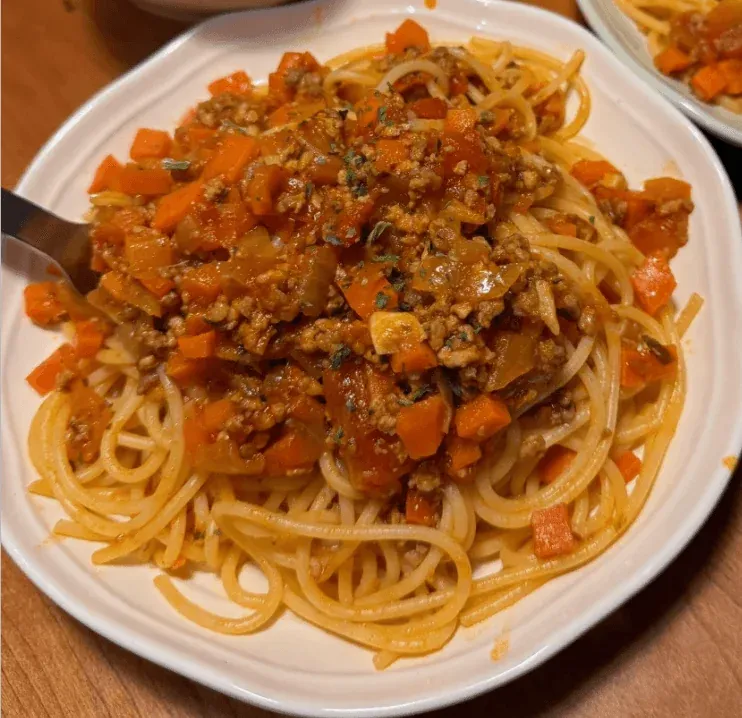
True to its roots in Bologna, Italy, Ragù alla Bolognese is far more than a mere ‘meat sauce.’ This authentic dish is a rich tapestry of flavors, created through a patient, slow-cooking process that transforms simple ingredients into a deeply satisfying meal. The foundation of this dish is the Soffritto—a delicate blend of celery, carrots, and onions—paired with the unique addition of milk to tenderize the meat, and wine to enhance its depth. This methodical approach results in a sauce that truly captures the essence of Italian home cooking.
📋Ingredients
- Approximately 480g of ground beef with a fat content between 15-20% or a mix of beef and pork
- Around 380g of spaghetti or, for a traditional touch, Tagliatelle
- 1 medium onion, finely chopped
- 1 carrot, finely chopped
- 1 celery stalk, finely chopped
- 2 tablespoons of tomato paste
- 1 can (approximately 380g) of crushed tomatoes, preferably San Marzano
- 140ml of dry red or white wine
- 190ml of whole milk
- 2 tablespoons of extra virgin olive oil
- 1 bay leaf
- Salt and freshly ground black pepper
- Freshly grated Parmesan cheese for serving
🔪How to Cook
Step 1: Creating the Soffritto Base
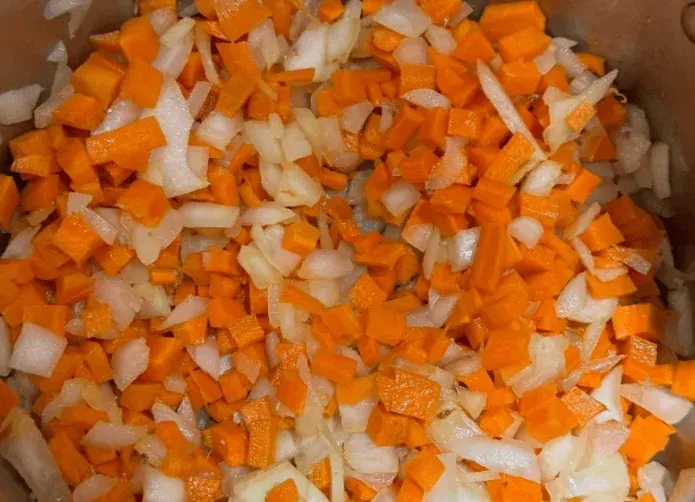
- Begin by heating olive oil in a large, heavy-bottomed pot over medium heat. Add the diced onion, carrot, and celery. Sauté gently for about 8–10 minutes until the vegetables are soft and translucent, avoiding any browning.
Step 2: Browning the Meat
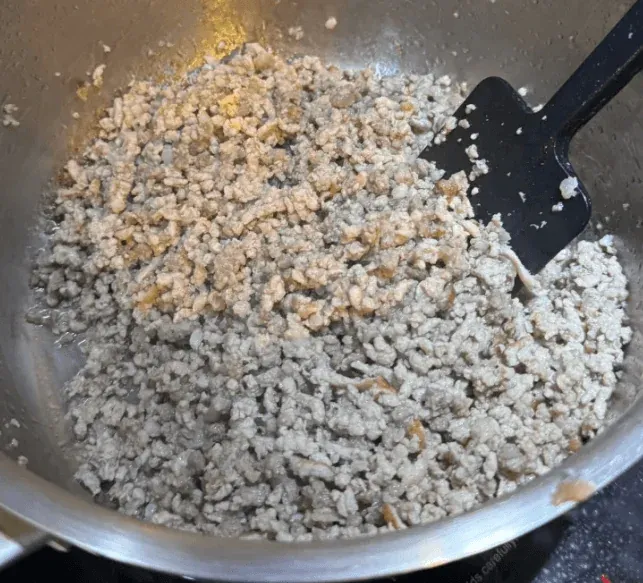
- Increase the heat to medium-high and add the ground meat. Break it into small pieces with a spoon. Cook until the meat browns and any liquid has evaporated, leaving just the fat.
Step 3: Introducing the Wine
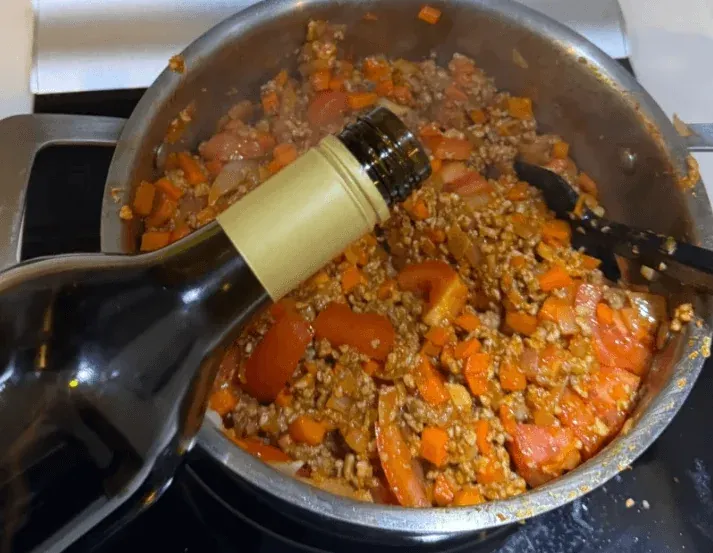
- Pour in the wine and stir, ensuring to scrape up the flavorful browned bits from the pot’s bottom. Allow the wine to simmer until it nearly evaporates completely.
Step 4: Adding Milk and Tomatoes
- Stir in the tomato paste and cook for 2 minutes. Add the milk and a hint of nutmeg if desired. Simmer until the milk evaporates, helping to soften the meat. Then, incorporate the crushed tomatoes and the bay leaf.
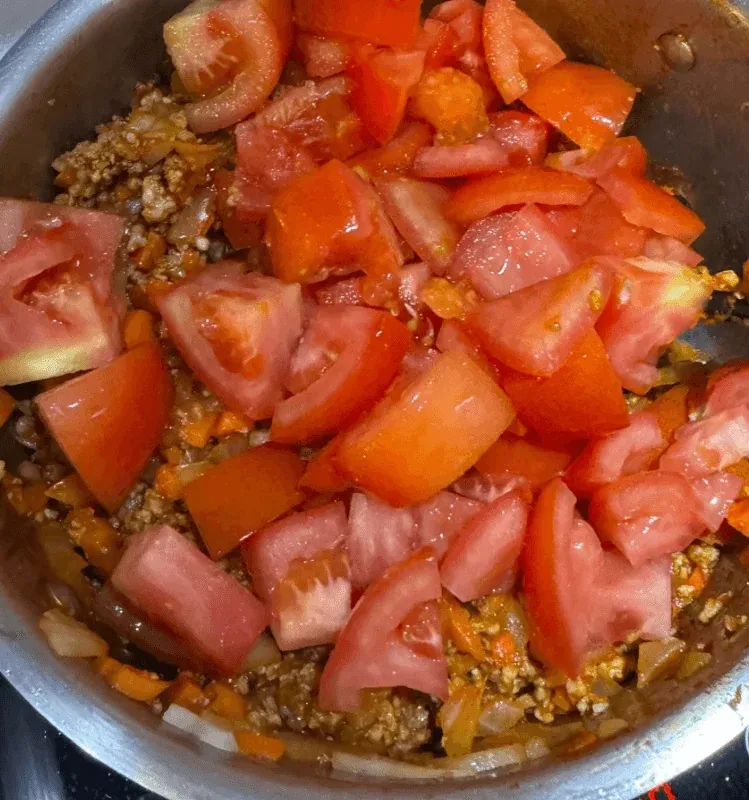
Step 5: The Art of Slow Cooking
- Reduce the heat to the lowest setting. Cover partially and let the sauce simmer for no less than 1.5 to 2 hours. If it becomes too dry, add water or beef broth. The sauce should be thick, glossy, and richly colored.
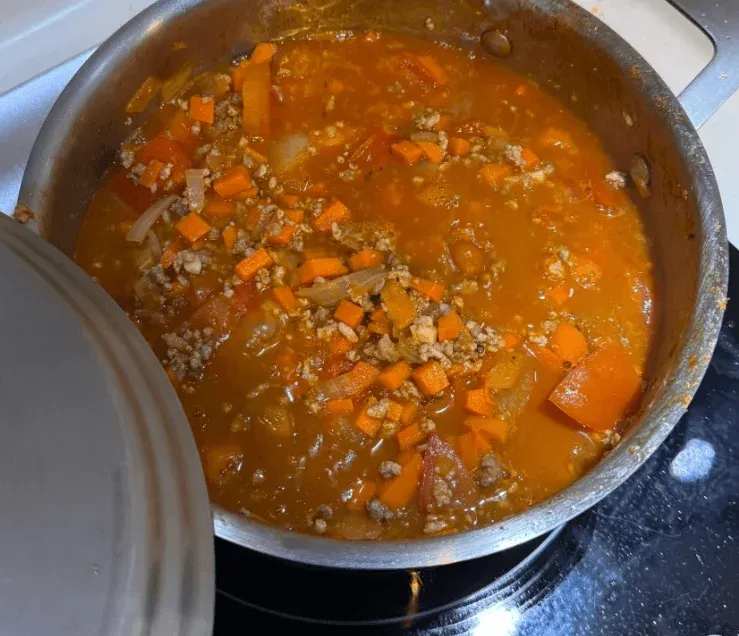
Step 6: Preparing the Pasta
- Cook the spaghetti in salted water until al dente. Reserve some pasta water. Mix the pasta with the sauce, adding reserved water if necessary to ensure the sauce adheres well. Garnish with Parmesan cheese generously.
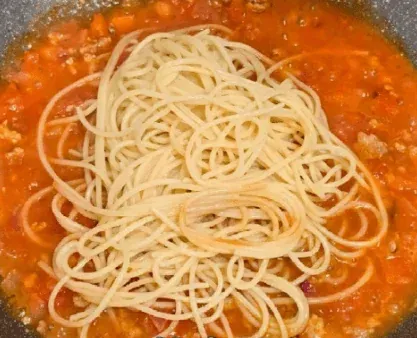
Important Notes
- The Patience Required: To achieve the true depth of flavor, do not rush this sauce. A quick cook results in a simple sauce; a long simmer transforms it into a true Ragù.
- The Role of Milk: By incorporating milk, the meat is shielded from the acidity of the tomatoes and wine, resulting in a beautifully tender texture.
- Choosing the Right Pasta: While globally known as “Spaghetti Bolognese,” in Bologna, this sauce traditionally graces Tagliatelle, a wider pasta that better supports the hearty sauce.
- Salt Considerations: Delay salting until the end to avoid an overly salty dish, as the sauce reduces significantly during cooking.
🧪Nutrition Information (Per Serving)
- Calories: Approximately 555 kcal
- Protein: 30 g
- Fat: 21 g
- Carbohydrates: 63 g
- Fiber: 4.5 g
- Iron: 23% DV
- Sodium: 610 mg