
Authentic Sweet and Sour Pork Tenderloin: A Culinary Journey into Tradition
Explore the traditional recipe for Sweet and Sour Pork Tenderloin, a beloved Chinese dish known for its crispy texture and rich flavor. Learn how to prepare this culinary classic with authentic ingredients and techniques.
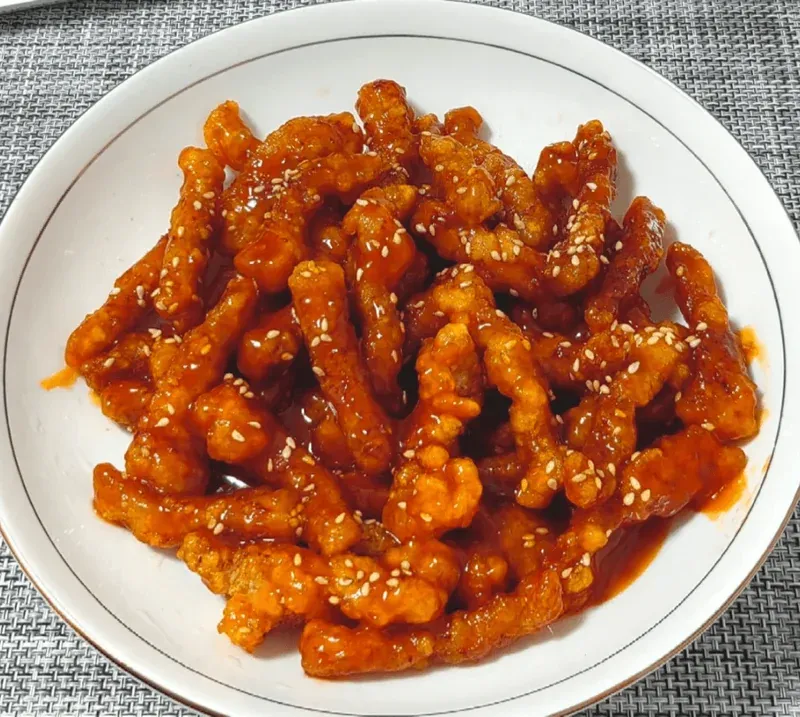
Sweet and Sour Pork Tenderloin, or Tang Cu Li Ji, is a cherished gem of traditional Chinese culinary art, combining simplicity with an intricate dance of flavors. Unlike its Cantonese cousin, which often features fruits and vegetables, this version remains loyal to the essence of the dish, focusing solely on the delightful contrast between the crisp exterior of battered pork and the rich, vibrant glaze. This dish is revered for its “crispy on the outside, tender on the inside” texture, making it a favorite among both locals and international food enthusiasts.
📋 Ingredients
- 340g Pork tenderloin (cut into strips approximately 1cm by 4cm)
- 1 Egg white
- 1/2 cup Cornstarch or Sweet potato starch (for the batter)
- 2 tablespoons All-purpose flour
- 1 tablespoon Shaoxing wine
- 1/2 teaspoon Salt and a pinch of white pepper
- 4 tablespoons Ketchup
- 2 tablespoons White or Rice vinegar
- 3 tablespoons Granulated sugar
- 1 tablespoon Cornstarch slurry (1 tsp starch mixed with 2 tsp water)
- 500ml Vegetable oil (for deep frying)
- 1 teaspoon Toasted white sesame seeds (for garnish)
🔪 Cooking Instructions
Step 1: Marinating the Pork
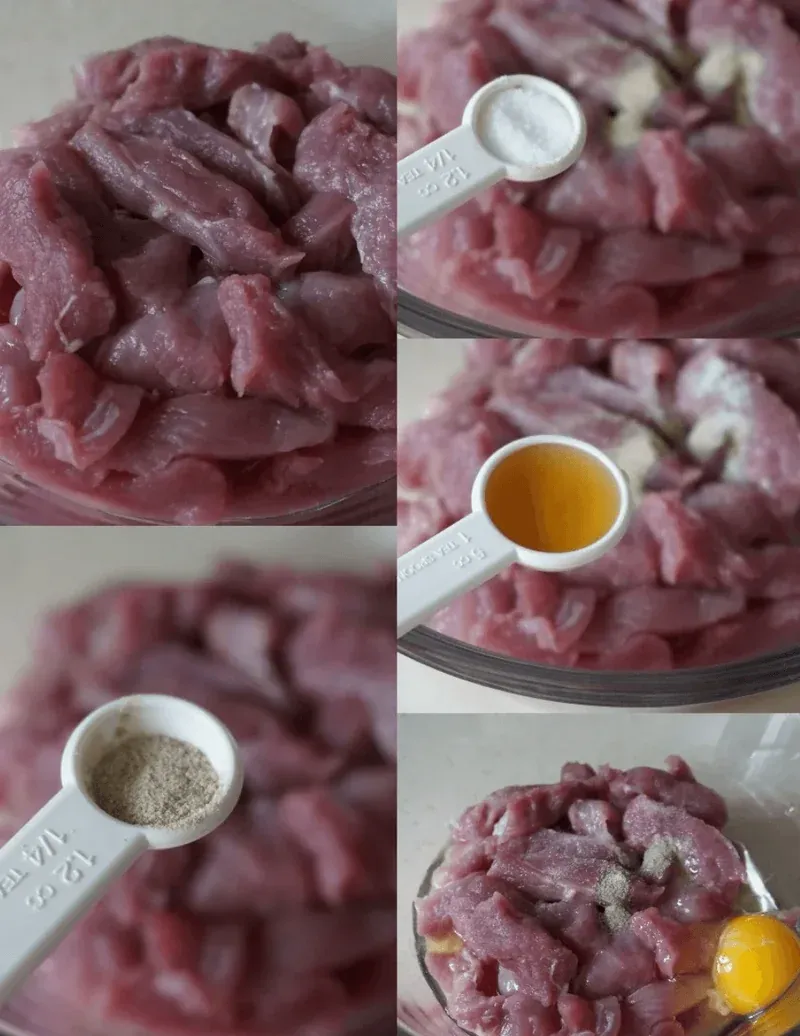
- Begin by placing the pork strips in a mixing bowl. Add salt, white pepper, and Shaoxing wine. Stir well and let the mixture marinate for about 15 minutes. This step is crucial as it enhances the flavor and helps neutralize any unpleasant odors.
Step 2: Crafting the Batter
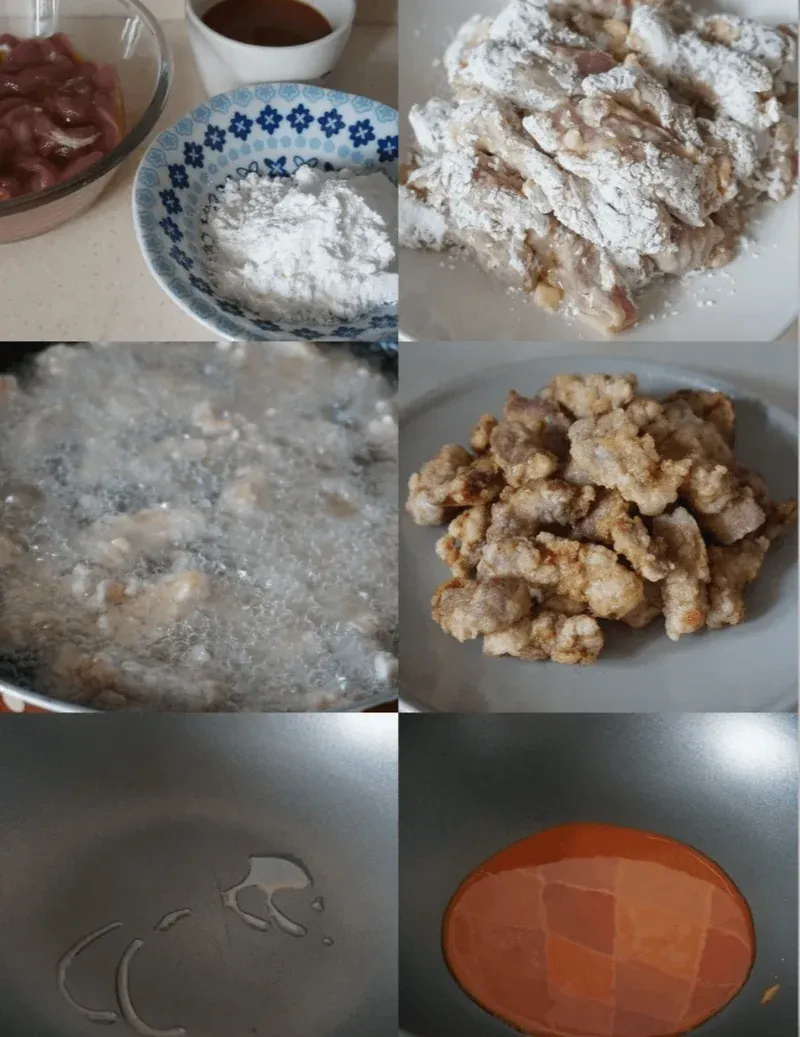
- In a large mixing bowl, blend cornstarch, flour, egg white, and a bit of water. Whisk until you achieve a thick, smooth consistency, reminiscent of heavy cream. Coat the marinated pork thoroughly, ensuring each piece is fully enveloped in the batter.
Step 3: Initial Frying (Setting the Shape)
- Heat the vegetable oil to 160°C (320°F). Carefully place the pork strips into the hot oil one by one. Fry them for approximately 2–3 minutes until the batter sets and becomes lightly golden. Remove and allow them to drain.
Step 4: Second Frying (Achieving the Crunch)
- Increase the oil temperature to 190°C (375°F). Reintroduce all the pork strips for a quick “flash fry” lasting about 30–45 seconds. This step ensures the exterior is extra crispy while the inside remains tender. Immediately drain the pork.
Step 5: Creating the Signature Glaze
- In a clean wok, combine ketchup, sugar, vinegar, and a splash of water. Bring this mixture to a gentle simmer over medium heat. Once the sugar dissolves and the sauce begins to bubble, introduce the cornstarch slurry to thicken the glaze, resulting in a glossy finish.
Step 6: Bringing It All Together
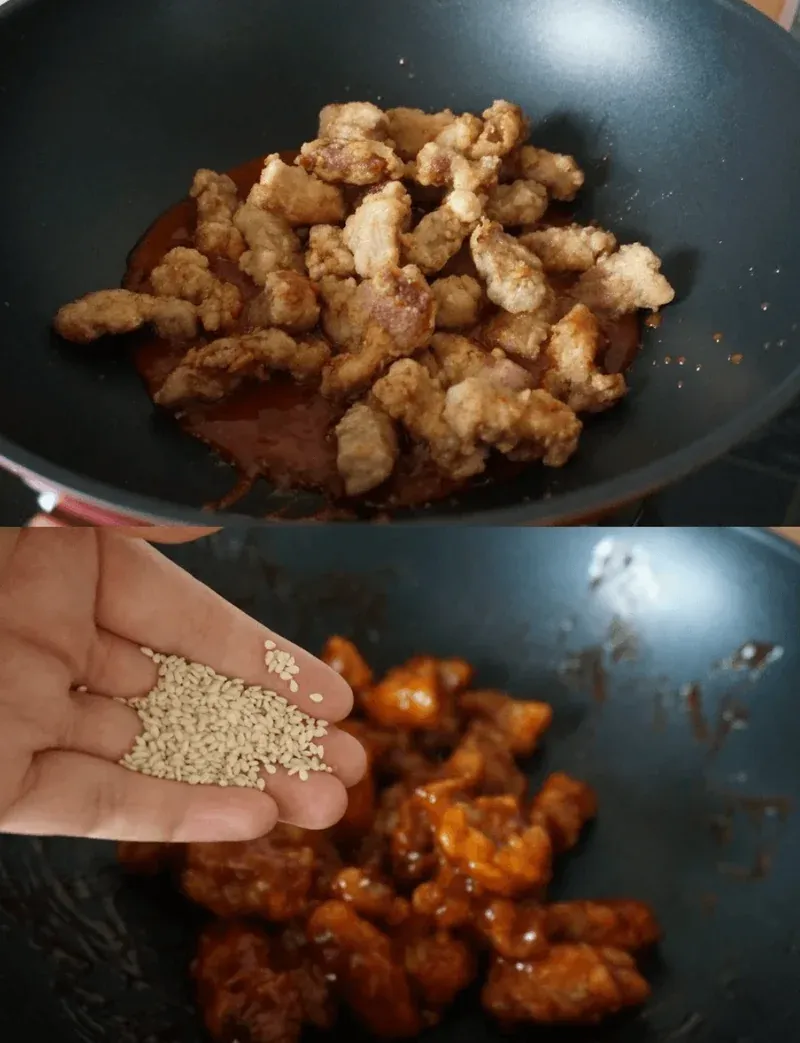
- Swiftly add the crispy pork strips into the wok. Toss them briskly over high heat for just 10–15 seconds to ensure the sauce clings to every piece without softening the crunchy coating. Garnish with sesame seeds and serve without delay.
Essential Tips for Success
- Double Frying Technique: This step is essential. The initial fry cooks the meat, while the second fry ensures the desired crunchy texture that withstands the glaze.
- Batter Consistency: Aim for a batter that is neither too runny nor overly thick. It should adhere well to the pork, forming a crisp shell.
- Sweetness and Tartness Balance: Authentic Tang Cu Li Ji leans towards a sweeter flavor. Adjust the sugar and vinegar quantities slightly according to your taste but retain the ketchup for its distinct color and flavor depth.
- Serve Promptly: Fried dishes with sauce have a narrow window for optimal taste and texture. Serve immediately to enjoy the perfect balance of flavors and textures.
🧪 Nutritional Information (Per Serving)
- Calories: 440 kcal
- Protein: 22 g
- Total Fat: 24 g (Varies with oil absorption)
- Carbohydrates: 34 g (Mainly from starch and sugar)
- Vitamin C: 10% DV (Derived from ketchup and vinegar)
- Sodium: 500 mg