
Authentic Kung Pao Chicken: A Flavorful Journey Through Sichuan
Discover the authentic recipe for Kung Pao Chicken, a staple of Sichuan cuisine. Learn about its rich history, key ingredients, and traditional cooking methods.
Kung Pao Chicken, a cherished dish from the heart of Sichuan cuisine, carries with it the legacy of Ding Baozhen, an esteemed official from the Qing Dynasty. Known as “Gongbao,” this dish masterfully combines tender chicken pieces with the crunch of roasted peanuts and the intense heat of dried chilies. The quintessential flavor profile, often described as lychee-like, offers a harmonious blend of sweetness and tartness, accented by the numbing sensation of Sichuan peppercorns and a lasting spicy heat.
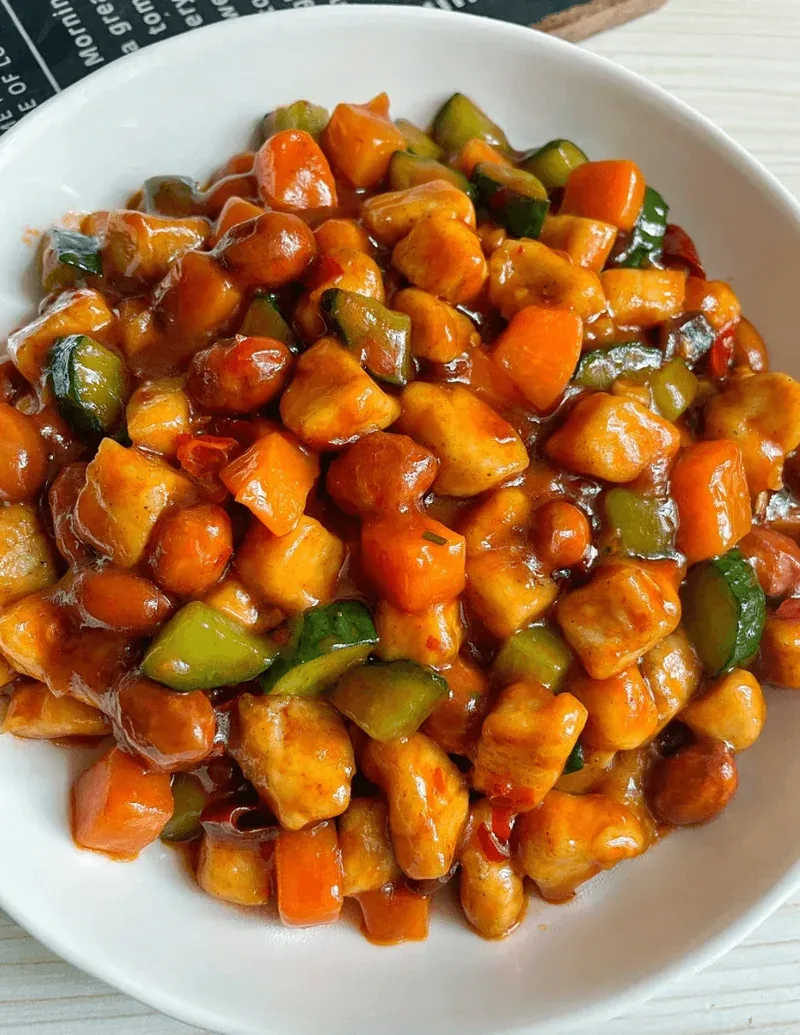
📋 Ingredients
- 380g Chicken thigh meat (skinless and boneless, cut into 1.5cm cubes)
- 48g Roasted unsalted peanuts
- 10-14 Dried Sichuan red chilies (deseeded and cut into segments)
- 1 teaspoon Sichuan peppercorns
- 3 cloves Garlic (thinly sliced)
- 1 piece Ginger (about 10g, sliced into thin rounds)
- 4 Scallions (white parts only, cut into 1cm segments)
- 2 tablespoons Cooking oil
For the Marinade:
- 1 tablespoon Light soy sauce
- 1 tablespoon Shaoxing wine
- 1 teaspoon Cornstarch
For the Kung Pao Sauce:
- 2 tablespoons Sugar
- 2 tablespoons Zhenjiang black vinegar (or balsamic vinegar)
- 1 tablespoon Light soy sauce
- 1 teaspoon Dark soy sauce (for depth of color)
- 1 teaspoon Cornstarch
- 1 tablespoon Water or chicken stock
🔪 Cooking Instructions
Step 1: Marinating the Chicken
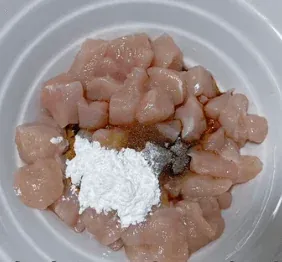
Combine the chicken pieces with light soy sauce, Shaoxing wine, and cornstarch in a bowl. Stir thoroughly to coat and let it marinate for about 15–20 minutes, ensuring the chicken becomes tender and succulent during the quick stir-fry.
Step 2: Crafting the Sauce
In a small bowl, mix sugar, black vinegar, light and dark soy sauces, cornstarch, and water. Stir until the sugar is dissolved. Having this sauce ready is crucial for the fast-paced cooking technique known as “Bao Chao.”
Step 3: Infusing the Oil
Heat the cooking oil in a wok over medium-low heat. Add the Sichuan peppercorns and dried chilies, stirring gently until the chilies turn a rich, fragrant red. This step infuses the oil with the signature “Ma La” sensation.
Step 4: Cooking the Chicken
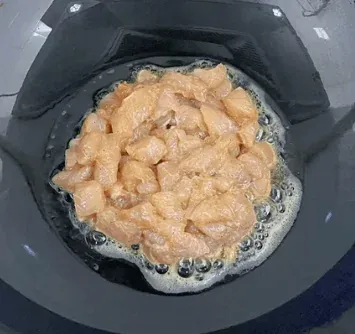
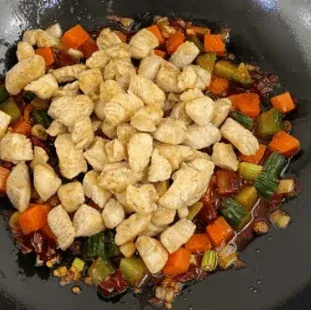
Increase the heat to high and add the marinated chicken. Stir-fry briskly for 2–3 minutes until the chicken is opaque on the outside.
Step 5: Adding Aromatics
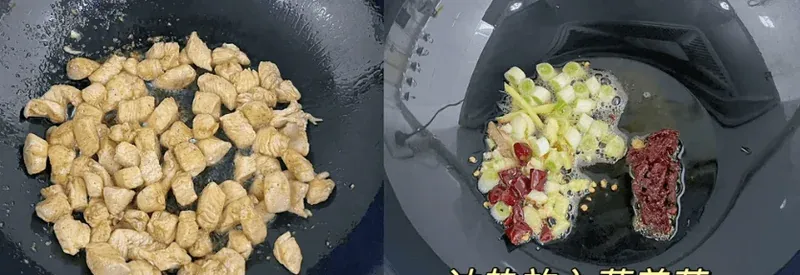
Move the chicken to the sides of the wok. Introduce the ginger, garlic, and scallion whites to the center. Stir-fry for about 30 seconds until their fragrant aromas permeate the air.
Step 6: Final Touches
Give the previously prepared sauce a quick stir, then pour it into the wok. Combine everything on high heat for 1 minute. As the sauce thickens into a shiny glaze, add the roasted peanuts. Stir once more to ensure an even coating. Serve immediately.
Key Tips & Observations
- Lychee Flavor Essence: The key to this dish lies in the balanced 1:1 ratio of sugar to vinegar, offering an initial sweet burst followed by a refreshing acidity that complements the chili heat.
- Peanut Precision: Add peanuts at the end to retain their crunch. They deliver a necessary textural contrast to the tender chicken.
- Chili Check: Monitor the heat during Step 3. Avoid letting the chilies turn black, as they will become bitter. Aim for a deep, roasted mahogany color.
- Choosing Chicken: While chicken breast is an option, thigh meat is traditionally favored for its higher fat content, which keeps it juicy and less prone to drying out during cooking.
🧪 Nutritional Information (Per Serving)
- Calories: 360 kcal
- Protein: 27 g
- Total Fat: 21 g (Rich in healthy fats from peanuts)
- Carbohydrates: 17 g (Including sugar in the sauce)
- Iron: 11% DV
- Sodium: 640 mg